

Financial Help, Without the Guesswork
Bookkeeper or CFO. What Does Your Business Need?
You know you need help with the numbers. Finding the right person starts with asking the right questions.
Straightforward answers about financial roles, cash flow, messy books, and what working together could look like.
On This Page
Who Do I Actually Need?
What does a fractional CFO do for a small business?
A fractional CFO provides senior financial guidance on a part-time or ongoing advisory basis. That can include cash flow forecasts, budgets, pricing and margin reviews, and planning for hiring or growth. For example, if you want to add an employee, we can model the added cost, expected revenue, and cash timing so you can evaluate what the business can support.
Explore Fractional CFO ServicesIf I already have a CPA, why would I need additional financial help?
It depends on what your CPA already handles. Some CPAs provide ongoing business advisory as well as tax and accounting services. If your current relationship focuses on tax filings and year-end work, you may still need help keeping the books current, monitoring cash, and making decisions throughout the year. We can coordinate with your CPA around the agreed responsibilities.
How do I know if I have outgrown basic bookkeeping?
You may need another level of support when your books are current but you still cannot explain your cash position, identify your most profitable work, or confidently plan a hire. Repeated cash surprises, shrinking margins, and reports you do not know how to use are also reasons to explore financial advisory. The right next step depends on your business complexity and the decisions in front of you.
Do I need to reach a certain revenue level first?
Revenue is one consideration, but the decisions, complexity, quality of the records, and value of support also matter. The introductory conversation helps determine whether advisory is a sensible fit now.
What Is Happening With My Money?
Why does my business show a profit when there is little money in the bank?
Profit and available cash measure different things. Your reports may show revenue before customers pay, while cash is also affected by loan payments, equipment purchases, owner withdrawals, and other timing differences. The starting point is to reconcile the books, review outstanding customer balances and upcoming obligations, and build a cash flow forecast. That helps explain where the money went and what may be coming next.
Can a fractional CFO help me decide whether I can afford to hire?
Yes. We can model the full cost of the role, expected revenue or capacity benefits, and the effect on cash over time. The same approach can help evaluate equipment, software, or a new location. We test the assumptions and look at slower-sales or delayed-payment scenarios so you can see the tradeoffs before committing.
How do I find out which clients, jobs, or services are actually profitable?
Compare the revenue from each client, job, or service with the labor, subcontractor, material, and other costs required to deliver it. You also need a practical way to account for shared overhead. We review how your financial data is organized and which costs you can reliably track, then use that information to evaluate margins, pricing, and where your time is going.
Explore Support for ContractorsWhat If My Books Need Work?
Can I get help if my bookkeeping is months behind?
Yes. Catch-up bookkeeping and cleanup are part of Biz Ops Concierge’s work. We first review how far behind the records are, which accounts need attention, and what supporting documents are available. That review determines the cleanup scope and timeline. You do not need to get everything organized before reaching out.
Explore Cleanup and Catch-Up BookkeepingHow can I tell whether my QuickBooks numbers are accurate?
Start by checking whether bank and credit card accounts have been reconciled through the latest statement period. Then review customer balances, unpaid bills, duplicate entries, and unusual balances. A dashboard alone does not establish accuracy. A review of the underlying records can identify what needs investigation before you rely on the reports for decisions.
Can you work with my existing bookkeeper?
We can discuss an advisory engagement alongside your existing bookkeeper. The key is agreeing on who records transactions, reconciles accounts, reviews the financial statements, and maintains the forecast. If the books need cleanup first, we identify that during the initial review so the advisory work has a reliable foundation.
What financial reports should I receive, and will someone explain them?
A useful starting point is a profit and loss statement and balance sheet, supported by reconciled accounts. Depending on the business, you may also need receivables and payables aging, a cash forecast, and client or job profitability reports. In an advisory engagement, we review what the numbers mean, what needs attention, and the actions to consider next. Reporting and meeting frequency are defined in the scope.
What Would Working Together Look Like?
How much do fractional CFO and bookkeeping services cost?
Fees depend on the condition of your records, transaction volume, number of accounts or entities, reporting complexity, and level of advisory support. Cleanup is usually scoped as a project; recurring CFO advisory and bookkeeping are scoped around ongoing needs. We discuss your situation and provide a proposal. Ask any provider to separate one-time cleanup from recurring fees and explain what would trigger additional charges.
Who will I actually work with?
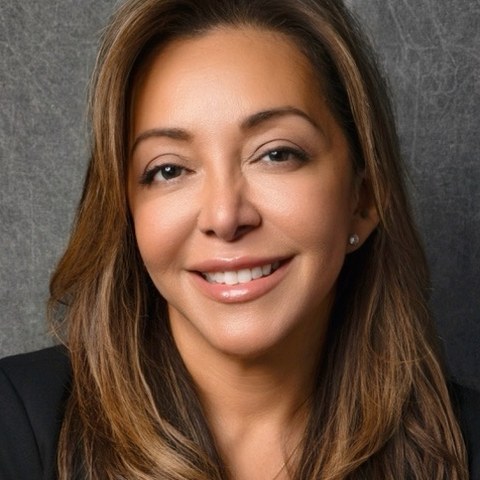
Priscilla Alvarado is the founder and fractional CFO of Biz Ops Concierge and personally leads client advisory and financial discussions. Bookkeeping support may involve a delivery partner. Your proposal should make the responsibilities, review process, and points of contact clear so you know who handles the records and who helps you make decisions.
What kinds of businesses do you work with?
Our primary focus is professional services firms, including management consulting, executive coaching, architecture, marketing agencies, and IT and cybersecurity firms. We connect client and project revenue with the cost of the work, team capacity, and cash flow. We also work with nonprofits and with contractors and home services. An introductory call is the place to discuss fit.
Explore Support for Professional Services FirmsWhat happens on the first call, and what should I prepare?
On an introductory call, we discuss your business, the support you’re looking for, and the decisions you need help making. It helps to know what accounting software you use, whether your books are current, and your biggest cash or profit concern. You do not need a polished set of reports to have that conversation. From there, we can determine whether a deeper review or proposal makes sense.
Questions From Nonprofits and Contractors.
Can you help with restricted funding?
We can review the bookkeeping structure and documentation needed to track funding within an agreed scope. Interpretation of complex restrictions, grant requirements, and accounting treatment should involve your CPA or other appropriate advisor.
Do you provide audits or prepare Form 990?
This service covers bookkeeping and financial advisory. Audits, attest work, and tax-return preparation are outside this offering. We can coordinate agreed records and schedules with your CPA or designated preparer.
Do you support WIP schedules, retainage, or progress billing?
Bring these requirements up on the introductory call. We assess the accounting approach, systems, and expertise needed before proposing support. Specialized construction reporting is not automatically included in standard bookkeeping.
Start With Your Business
Let’s Talk About What You Need.
Behind on the books? Unsure where the cash is going? Ready to make your next move? Bring the questions you have. We’ll figure out where to start.